How to Sell Digital Products From Your Bio Link (2026)
Step-by-step guide to selling ebooks, templates, and courses directly from your bio link. No website needed — just your social media and a smart setup.

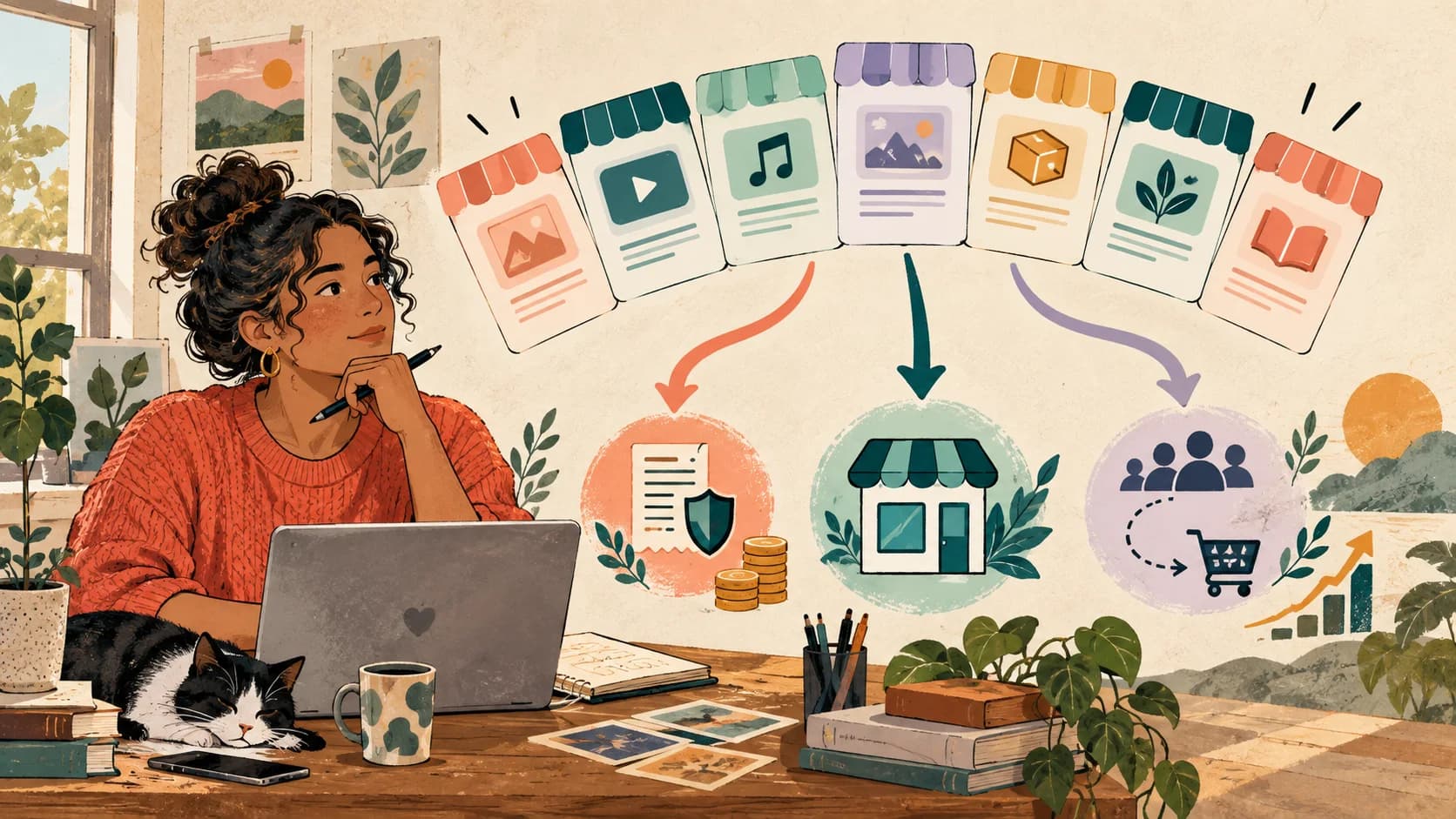
You do not need a large ecommerce site to test a digital product. A focused bio link can connect five stages in one measurable journey: social profile, product page, checkout, delivery, and follow-up. This guide explains how to choose the tools and test each handoff without assuming that a follower, click, or page view will become a sale.
What you'll learn
Which digital products sell best from a bio link, how to structure your link for purchases instead of just clicks, pricing strategies for social audiences, and the content tactics that drive real sales — not just likes.

Why your bio link is the best storefront you already have
Social platforms can create discovery, but the exact commerce features available vary by platform, market, account and product type. A bio link gives you a stable destination that you can update without changing every post. Whether checkout and delivery happen on that page or through a specialist provider depends on your stack.
Map the journey before choosing software:
- Profile: the post and bio set a specific expectation.
- Product page: the buyer sees the outcome, contents, format and price.
- Checkout: the provider states who charges the customer and which fees apply.
- Delivery: the buyer receives the correct file or access instructions.
- Follow-up: support, receipts and optional email communication use the consent you actually collected.
Worked example, not a benchmark: suppose a creator records 100 profile visits, 20 bio-link visits, 4 checkout starts and 2 completed purchases in a week. The observed rates are 20% profile-to-page, 20% page-to-checkout and 50% checkout completion. Those numbers diagnose that specific journey; they are not a promise or target for another account.
The difference between creators who earn from their content and those who don't usually isn't audience size. It's whether their bio link is built to sell or just to list.
What digital products actually sell from a bio link
Not all digital products work equally well in a social selling context. The best performers share three traits: they solve a specific problem, they deliver instant value, and they're priced for impulse buying.
Templates and swipe files are easy to demonstrate in social content because the creator can show the workflow they support. Notion templates, Canva templates, spreadsheet systems and email scripts are common examples.
Short ebooks and guides are easier to evaluate when their promise and scope are specific. State the problem, intended reader, format and exact contents instead of relying on a broad “complete guide” claim.
Mini-courses and workshops require a delivery environment that matches the learning experience. A recorded workshop with a companion PDF can use simple file delivery; a structured course may need lessons, progress and account access. See the guide to selling online courses from your bio link for the additional decisions.
Presets, filters, and creative assets work for photographers, designers, and video creators. These have the advantage of being visually demonstrable — every post you make with your own presets is a product demo.
Printables and planners can be delivered as files, but the seller still needs to define printing requirements, permitted use, refund terms and support boundaries.
Before choosing checkout or delivery, compare the 13 digital-product platforms reviewed from official sources.
Start with what you already teach for free
Look at your most-saved and most-shared posts. The topics your audience bookmarks are the topics they'd pay to go deeper on. Your first digital product should be the "expanded version" of your best-performing free content.
The anatomy of a bio link that sells
A bio link that sells digital products needs a fundamentally different structure than a bio link that just lists your social profiles. Here's what works:
A headline that states the outcome, not your name. "Get the exact templates I use to land $5K clients" converts. "Jessica's Links" doesn't. Your visitor already knows who you are — they came from your content. Tell them what they'll get.
One featured product above the fold. The product you most want to sell should be the first thing visitors see, with a clear price, a one-line description, and a buy button. No scrolling required. If you have multiple products, use a qualifying question with conditional logic to show the right one based on what the visitor needs.
Verified proof near the buy button. Use a real customer quote, demonstration or outcome only when you can substantiate it and have permission to publish it. If you do not have proof yet, explain the product contents and refund or support terms plainly instead of inventing a customer count.
A secondary offer for browsers. Not everyone is ready to buy on the first visit. Below your main product, offer a free resource (checklist, sample chapter, mini-template) that captures their email. This turns a bounce into a lead you can sell to later.
This structure guides visitors through a funnel instead of leaving every destination equally prominent. Measure it against your current page before deciding whether it performs better.
Step by step: set up your digital product bio link

Use these six steps to create a testable first version. Setup time depends on product preparation, payment verification, tax configuration and delivery requirements.
Step 1 — Choose your product. Pick one digital product to start with. Not three. Not a bundle. One clear product with one clear price. You can expand later, but launching with focus beats launching with options.
Step 2 — Write your product page copy. You need three elements: a headline that states the transformation ("Go from scattered to organized in 10 minutes"), 3-4 bullet points listing what's included, and a price with a buy button. That's it. Don't write a sales page — write a product card.
Step 3 — Set up your bio link page. Create a SellBio page with your product as the hero section. Add your headline, product card, and a secondary lead magnet offer below it. Connect your payment processor (Stripe works for most creators) so buyers can pay instantly.
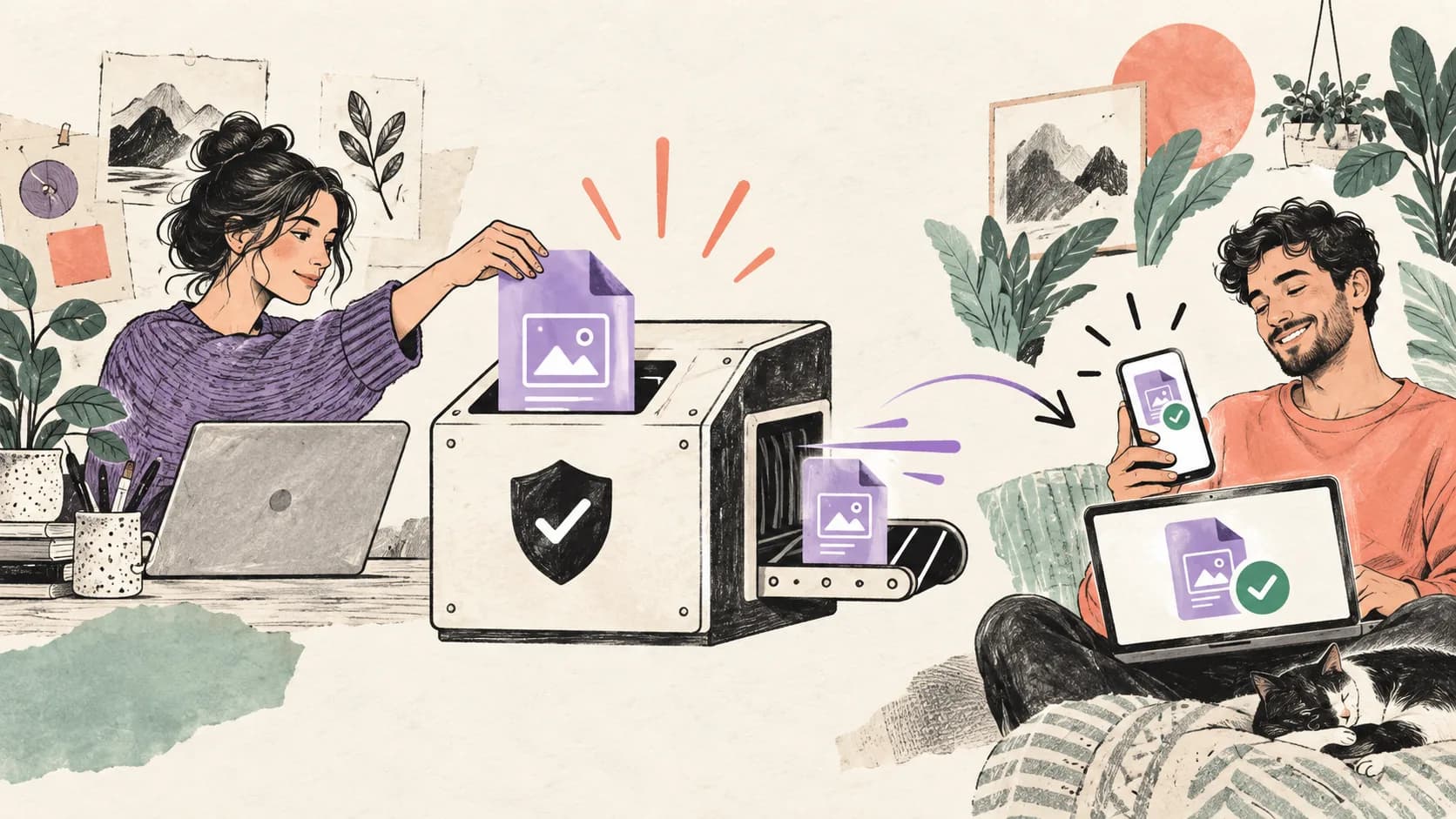
Step 4 — Create an automatic delivery flow. When someone buys, they should receive the product immediately — via email, a download link, or an access page. No manual sending. The whole point of digital products is that fulfillment is automated.
Step 5 — Add the link to your bio. Update your bio URL on every platform where you're active. Use the same link everywhere — consistency matters for tracking and for building recognition.
Step 6 — Create your first "product launch" post. Don't just quietly add the link and hope. Make a dedicated post announcing what you created, who it's for, and why you made it. The story behind the product sells as much as the product itself.
Don't skip the delivery automation
The number one complaint buyers have about creator-sold digital products is slow delivery. If someone buys at 2 AM and gets their download at 2 AM, they're happy. If they buy at 2 AM and wait until you wake up to send it manually, they're requesting a refund. Automate delivery from day one.
How to price digital products for social media audiences
Pricing digital products sold through social media is different from pricing products sold through Google search or marketplaces. Your buyers are making impulse decisions — they saw your content, felt inspired, and tapped your bio link. The pricing needs to match that energy.
Start with costs and evidence rather than a universal “impulse price.” Calculate payment and platform fees, tax treatment, expected support time, refund exposure and the margin you need. Then test one clearly stated price against your own qualified traffic.
A small template and a structured course solve different problems, so their price should not be inferred from format alone. Interview prospective buyers, review comparable offers without copying them, and record why the first price was chosen. The digital-product pricing guide provides a worksheet for that decision.
Driving traffic from content to your bio link store
Having a product in your bio link means nothing if nobody visits it. The content-to-bio-link pipeline is where most creators fail — not because they can't create content, but because they don't create the right content.
Content that creates demand works better than content that announces supply. "I just launched a template" gets polite engagement. "Here's how I organize 20 clients without dropping a single ball" — followed by "the template is in my bio" — creates desire. Show the result first, then reveal the shortcut.
Platform-specific strategies matter:
On Instagram, test formats separately. A carousel can teach part of the workflow, a Reel can demonstrate it, and a Story can point returning followers to the offer. Tag each route consistently and compare completed purchases or qualified leads, not likes alone.
On TikTok, "process" videos perform best — show yourself using the product or demonstrating the workflow it enables. TikTok audiences respond to authenticity over polish. Your TikTok bio link setup matters here because TikTok visitors are especially impatient.
On YouTube, mention your product in context within your regular content. "I actually built a template for this — link in the description and my bio" works because it feels helpful, not promotional.
On LinkedIn, case-study style posts ("How I helped a client achieve X — here's the framework") position your digital product as a professional tool, which justifies higher pricing.
Use a repeatable cadence you can measure. A traffic spike and a steady series answer different questions. Keep the offer and tracking stable long enough to compare formats, then document what changed.
Common mistakes that kill digital product sales
Selling too many products at once. If your bio link shows 6 different products, visitors get overwhelmed and buy nothing. Start with one hero product. Add a second only after the first is consistently selling. This is the same mistake people make with bio links in general — too many choices, not enough direction.
Ignoring the mobile experience. Social traffic often reaches your page on a phone. If your purchase flow requires pinching to zoom, entering billing information in a cramped form, or navigating several pages, you add avoidable friction. Test the entire journey on your phone before publishing.
Not tracking what's working. You need to know which posts drive bio link visits, which offers get clicks, and where buyers leave. Without analytics on your bio link, you're guessing. Compare formats with your own tagged links before deciding whether carousels, reels, or another format deserves more effort.
Treating your bio link as “set and forget.” Review expired launches, broken destinations and mismatches between current content and the featured item. Log each material change so later results remain interpretable.
Skipping the lead capture. Not every visitor will buy today. But if your bio link only has a buy button and no email capture, you lose every non-buyer forever. A free resource in exchange for an email turns a one-time visitor into a prospect you can nurture and qualify over time.
Start selling from your bio today
You don't need a perfect product, a massive audience, or an expensive tech stack. You need one good digital product, one well-structured bio link, and content that makes people curious enough to tap. Everything else — the optimization, the upsells, the product suite — comes after you make your first sale.
The creators earning real revenue from digital products started exactly where you are. The difference is they stopped treating their bio link as a list of bookmarks and started treating it as a store.
Your audience is already there
You've spent months building an audience that trusts your expertise. Review SellBio plans, choose the page structure that fits your offer, and connect it to a checkout and delivery provider available in your market.
Related reads
- Link in bio with checkout — Plan a short, testable route from your bio link to payment
- How to make money with your link in bio — Complete monetization strategies for your bio link
- SellBio vs Stan Store — Compare features for selling digital products from social media
Ready to turn followers into customers?
Sell products, capture leads, take bookings, and guide every visitor from one link.